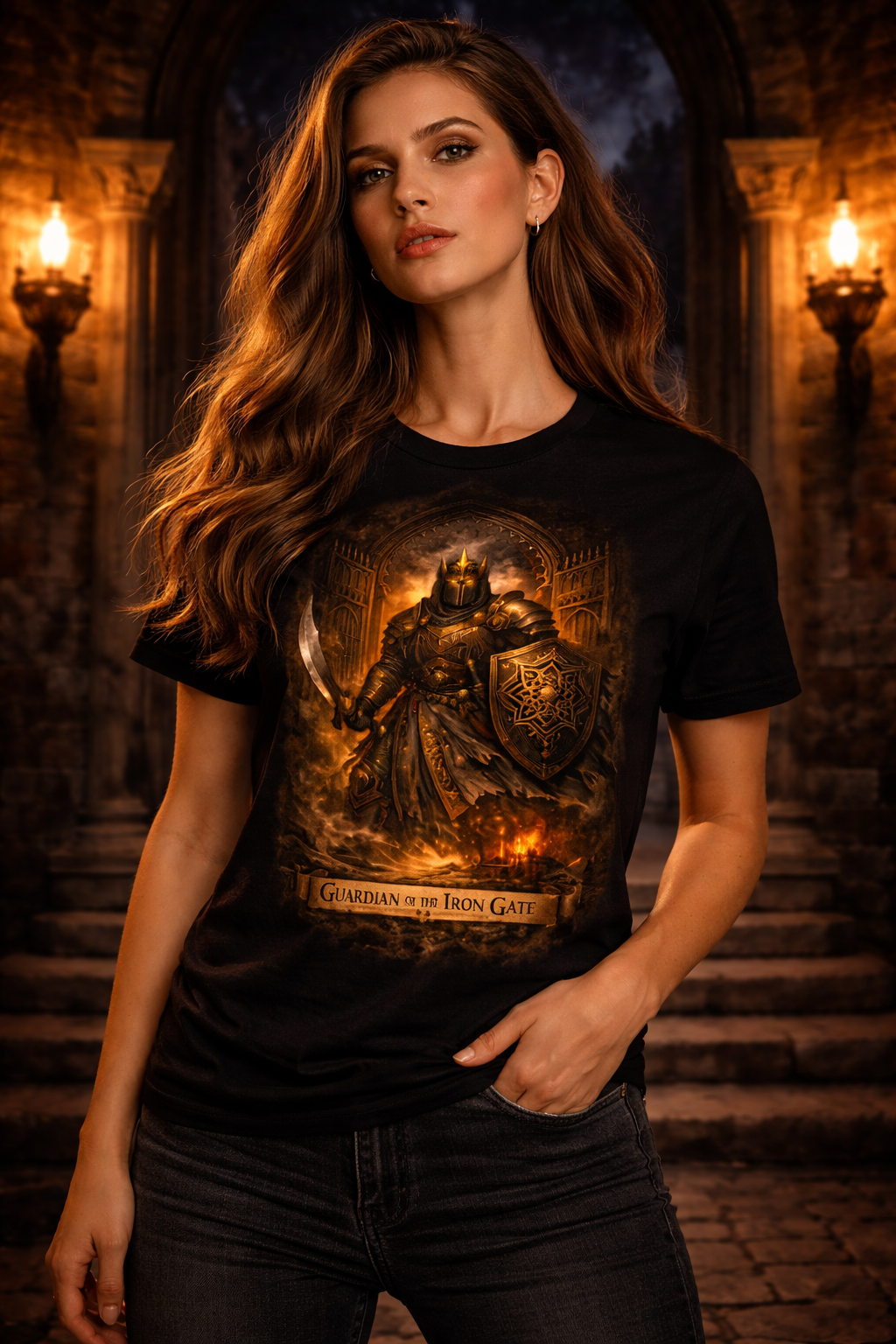
Arabic calligraphy is one of the most sophisticated visual art forms in human history. Developed over fourteen centuries across dozens of regional schools, it encodes theology, poetry, philosophy, and identity into letterforms of extraordinary beauty. When it appears on a t-shirt in a Western streetwear brand, the question of context becomes essential.
The trend is undeniable. Arabic script has appeared on major brand releases from Supreme to Balenciaga to dozens of independent streetwear labels. Some of these collaborations were done with genuine cultural consultation and resulted in work that Arabic speakers recognized as respectful and considered. Others placed Arabic text on garments without understanding its meaning, sometimes creating genuinely offensive results that went viral for the wrong reasons.
The distinction between authentic representation and surface-level aesthetics comes down to knowledge and intention. A brand that uses Arabic script because it looks visually striking to a Western audience is making a fundamentally different choice than a brand that draws from Arabic visual culture because it is genuinely part of their identity and reference framework.
At Amanar Studio, we made a deliberate choice to focus on Moroccan cultural imagery — architecture, mythology, desert landscape, symbolic motifs — rather than using Arabic text as decoration. This is not because Arabic calligraphy is off-limits. It is because our visual language is stronger when it draws from specific cultural knowledge rather than surface aesthetic borrowing.
The broader conversation about cultural representation in fashion is not simple and should not be treated as simple. Cultures have always influenced each other. Trade routes, migration, and diaspora have always mixed visual traditions. The question is not whether influence happens but whether it happens with knowledge, credit, and reciprocity. Is the original culture acknowledged? Are artists from that culture being supported? Does the work add to cultural understanding or flatten it?
For Arabic and Moroccan aesthetics in streetwear specifically, the most exciting work is being done by designers from within those cultures — Moroccan, Algerian, Egyptian, Lebanese, and Gulf-based brands that are building visual languages from genuine insider knowledge. Amanar Studio is one of these voices. The designs carry cultural weight because they come from cultural proximity, not because they borrowed an aesthetic for its market appeal.
Shop the Collection
Explore the designs inspired by this story. Premium dark Arabian luxury streetwear, made to order and shipped worldwide.
Browse All Designs →