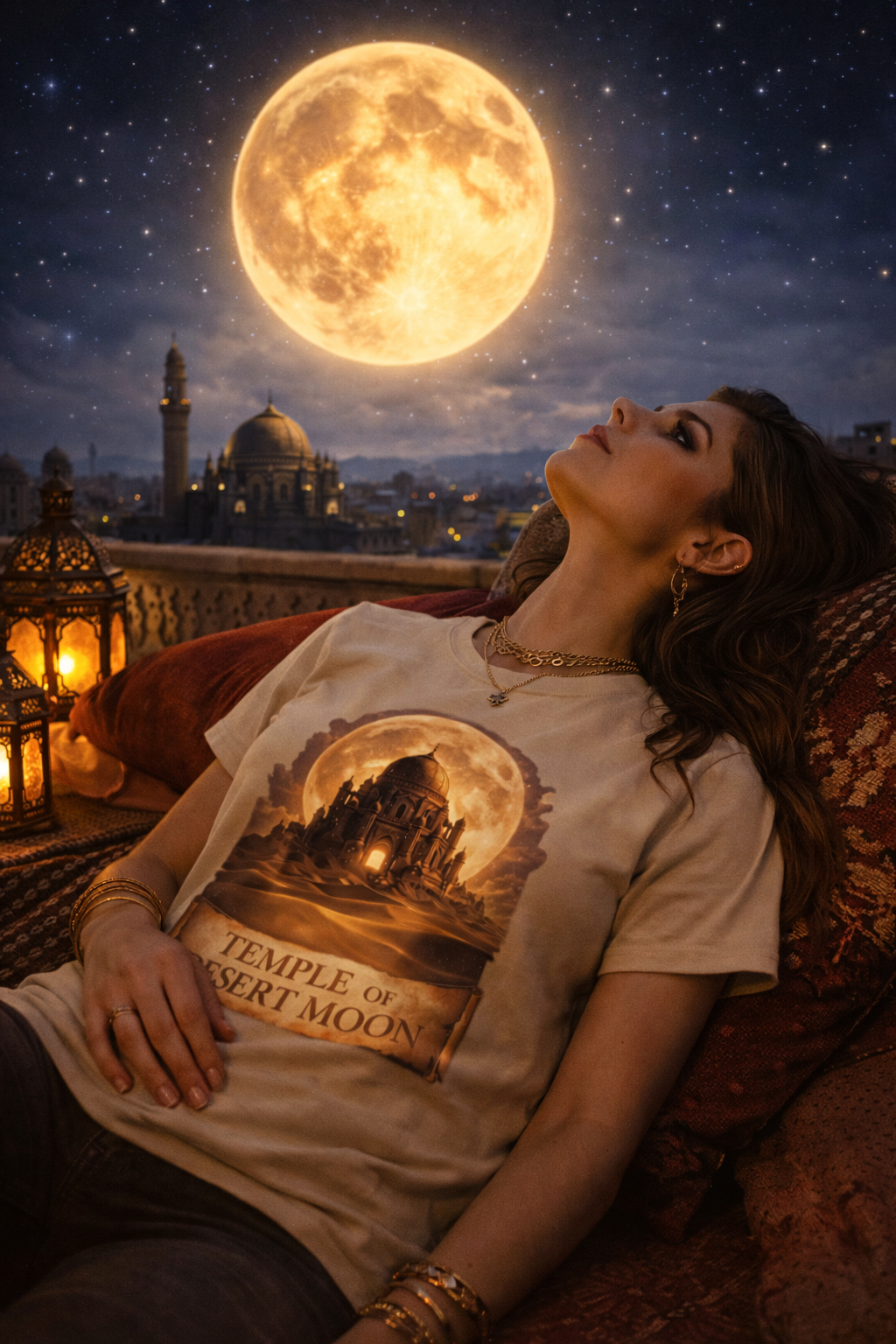
Stand inside the Bou Inania Madrasa in Fes and look up. The carved stucco ceiling moves through patterns of such mathematical precision that it looks simultaneously ancient and algorithmically generated. The zellige tilework below it repeats geometric stars in combinations of seven, nine, and twelve points. Every surface is doing something. Nothing is merely functional. This is the philosophy that makes Moroccan architecture unlike anything else in the world.
The horseshoe arch is the most recognizable element of Moroccan design and one of the most structurally elegant inventions in architectural history. Unlike the Roman arch which distributes load in a simple curve, the Moroccan horseshoe arch extends past the semicircle and curves back inward before meeting its supports. This creates a visual tension — the arch appears to be holding itself open against gravity — that generates enormous visual energy within a doorway or window frame.
Zellige tilework is the Moroccan art form that most directly influenced our designs at Amanar Studio. These hand-cut ceramic tiles, produced using techniques unchanged since the tenth century, create geometric patterns through a process called tessellation — the fitting together of shapes without gaps or overlaps. The patterns are mathematically precise but handmade, which means each installation carries subtle variations that make it alive in a way computer-generated patterns cannot replicate.
The use of interior light in Moroccan architecture is a masterclass in controlled drama. Courtyards open to the sky while surrounding rooms remain cool and dim. Light enters through carved screens called moucharabiehs that break direct sunlight into geometric shadow patterns on floors and walls. The effect changes by the hour as the sun moves. A room that is stark and architectural at noon becomes warm and theatrical at golden hour. The building performs.
Color in traditional Moroccan architecture follows a discipline that contemporary designers are still learning from. The palette is earthy and warm at the base — ochre plaster, honey-colored stone, brown cedar — with intense color accents provided by zellige tiles in cobalt, turquoise, and emerald. The deep neutrals prevent the bright accents from becoming overwhelming. The accents prevent the neutrals from becoming dull. This is the color logic we apply to Amanar Studio designs: rich dark foundations with strategic gold and amber accents.
The Moroccan architectural tradition is not historical artifact. It is a living practice. New buildings in Fes, Marrakech, and Rabat continue to incorporate these principles because they work — aesthetically, climatically, and culturally. When we use arch motifs, geometric patterns, and lantern forms in our designs, we are drawing from something still very much alive.
Shop the Collection
Explore the designs inspired by this story. Premium dark Arabian luxury streetwear, made to order and shipped worldwide.
Browse All Designs →